
The *Mists of Pandaria* expansion for World of Warcraft is often considered one of the most unique and profound additions to the game’s storytelling. Beyond the lush landscapes of Pandaria and the introduction of the Pandaren race, the expansion explored deep moral themes that resonated with players, tackling concepts of balance, war, and the cost of conflict.
These themes continue to have relevance in today’s Warcraft narrative, providing a lens through which players can examine the choices and consequences that define Azeroth’s ongoing struggle. This article explores why the moral lessons introduced in *Mists of Pandaria* remain relevant in today’s Warcraft storytelling.
The Philosophy of Balance: The Pandaren Way
At the heart of *Mists of Pandaria* lies the concept of balance, which is embodied by the Pandaren people. As a race that values peace, meditation, and harmony, the Pandaren have long struggled with the conflict between maintaining personal balance and dealing with the external forces that threaten the world. The theme of balance is not just an internal struggle for the Pandaren; it is a universal concept that applies to all races and factions within the world of Warcraft.
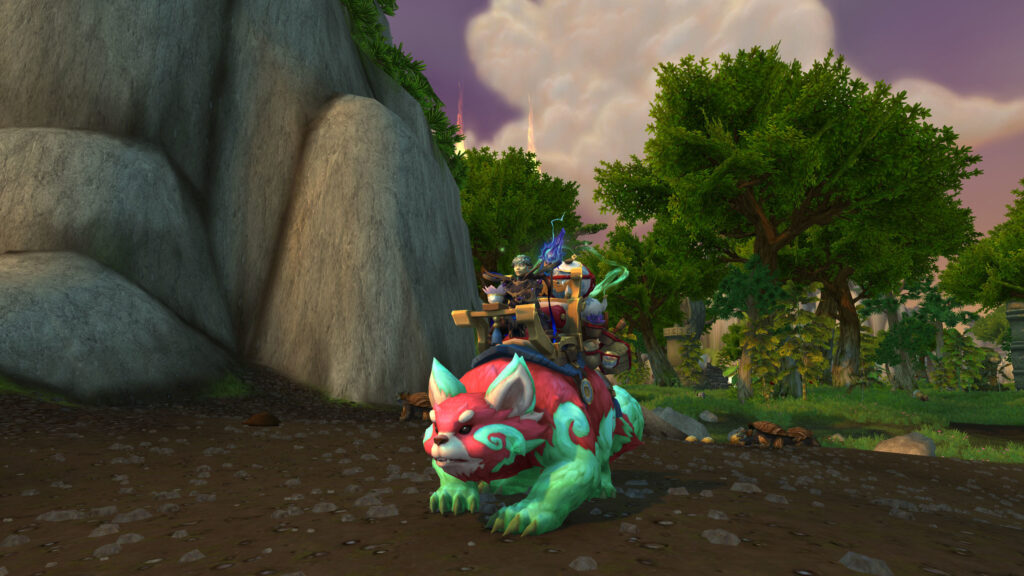
In *Mists of Pandaria*, players learn that balance is not simply about avoiding conflict, but about understanding the consequences of their actions and finding a path that avoids extremes. The Pandaren teachings on balance have parallels in many of WoW’s later storylines, as characters are forced to make decisions that weigh the cost of peace versus the necessity of war. In today’s WoW, this lesson is especially relevant, as players continue to face situations where moral compromises must be made in the name of greater good or survival.
- Personal Harmony: The Pandaren’s teachings on inner peace are foundational to their culture and influence their worldview.
- External Forces: Balance is not just an internal struggle but a response to the forces of war, corruption, and chaos that threaten Azeroth.
- Learning from Conflict: The Pandaren’s philosophy shows that conflict, when managed correctly, can lead to growth and understanding.
War and the Cost of Conflict
Another key moral theme in *Mists of Pandaria* is the cost of war and the consequences of conflict. The expansion’s central storyline focuses on the brewing war between the Alliance and the Horde, but it also addresses the internal conflicts of characters who are caught between their loyalty to their factions and their desire for peace. Through the introduction of the Sha, the manifestation of negative emotions like fear, anger, and hatred, *Mists of Pandaria* illustrates how unchecked conflict can lead to personal destruction and the corruption of the world itself.

In today’s Warcraft narrative, the consequences of war continue to echo. The Alliance and Horde have fought countless battles, and yet the cycles of war continue to haunt them. The lessons from *Mists of Pandaria* are still relevant, as players are forced to confront the true cost of conflict, not only in terms of physical damage but also in the toll it takes on the souls of those involved. These lessons remind players that peace is not simply the absence of war, but the cultivation of understanding and empathy.
- The Sha: Representing the destructive force of unchecked emotions, the Sha demonstrate how hatred and anger fuel conflict.
- Factionalism: The war between the Alliance and Horde continues to serve as a backdrop for the ongoing cost of conflict in Azeroth.
- Long-Term Consequences: *Mists of Pandaria* shows that the aftermath of war is not always visible, but its effects linger on in personal and global ways.
The Relevance of *Mists of Pandaria* in Today’s Warcraft
The themes of *Mists of Pandaria* continue to resonate in the current narrative of WoW. The expansion’s exploration of balance, conflict, and the consequences of war is more relevant today than ever before. As the world of Azeroth faces the threat of the Burning Legion, the Old Gods, and even the political instability between factions, the moral lessons from Pandaria remind players that true victory often requires personal sacrifice and understanding, not just the triumph of one faction over another.
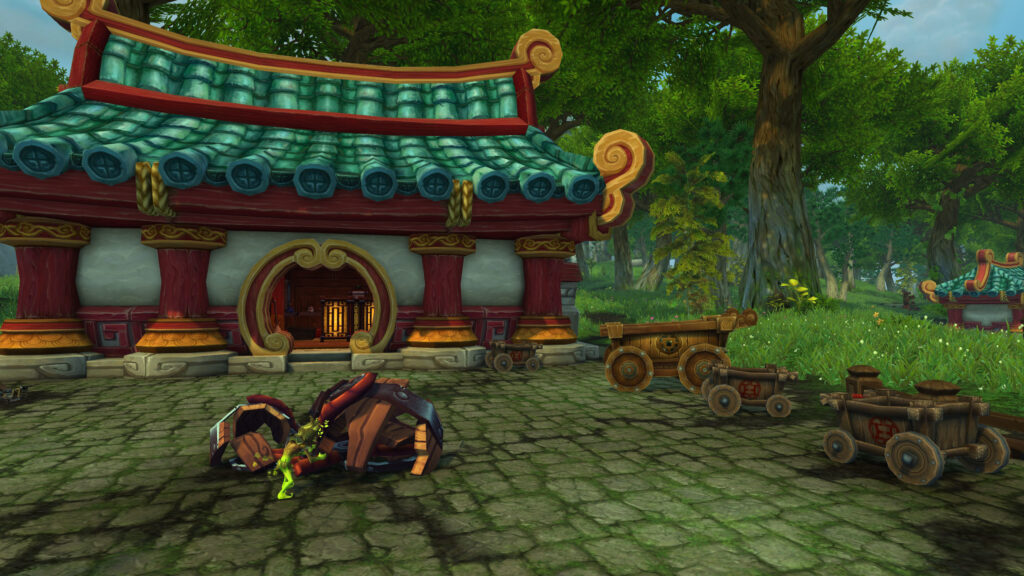
Moreover, *Mists of Pandaria*’s focus on individual choice — the decision to fight or to seek peace — remains a central part of the game’s narrative. Characters in today’s expansions are often faced with similar moral dilemmas, where the cost of victory is not just in terms of resources but in the emotional and psychological toll it takes on those involved.
- Continued Relevance: The themes of balance, peace, and the cost of war remain as relevant in today’s WoW as they were in *Mists of Pandaria*.
- Ongoing Struggles: The moral dilemmas players face in *Mists of Pandaria* still echo in today’s expansions, as characters deal with similar choices.
- Personal Sacrifice: *Mists of Pandaria* teaches that true peace requires personal and collective sacrifice, a lesson that continues to resonate in the game’s storyline.
Conclusion
While *Mists of Pandaria* is often remembered for its beautiful landscapes and introduction of the Pandaren race, its moral themes remain a cornerstone of the game’s storytelling.
The expansion’s exploration of balance, the cost of war, and the consequences of unchecked conflict continue to shape the narrative of World of Warcraft. As players face new challenges and conflicts in Azeroth, the lessons learned from *Mists of Pandaria* will remain a guiding force, reminding players of the importance of peace, understanding, and the cost of war in a world that is constantly teetering on the edge of chaos.
