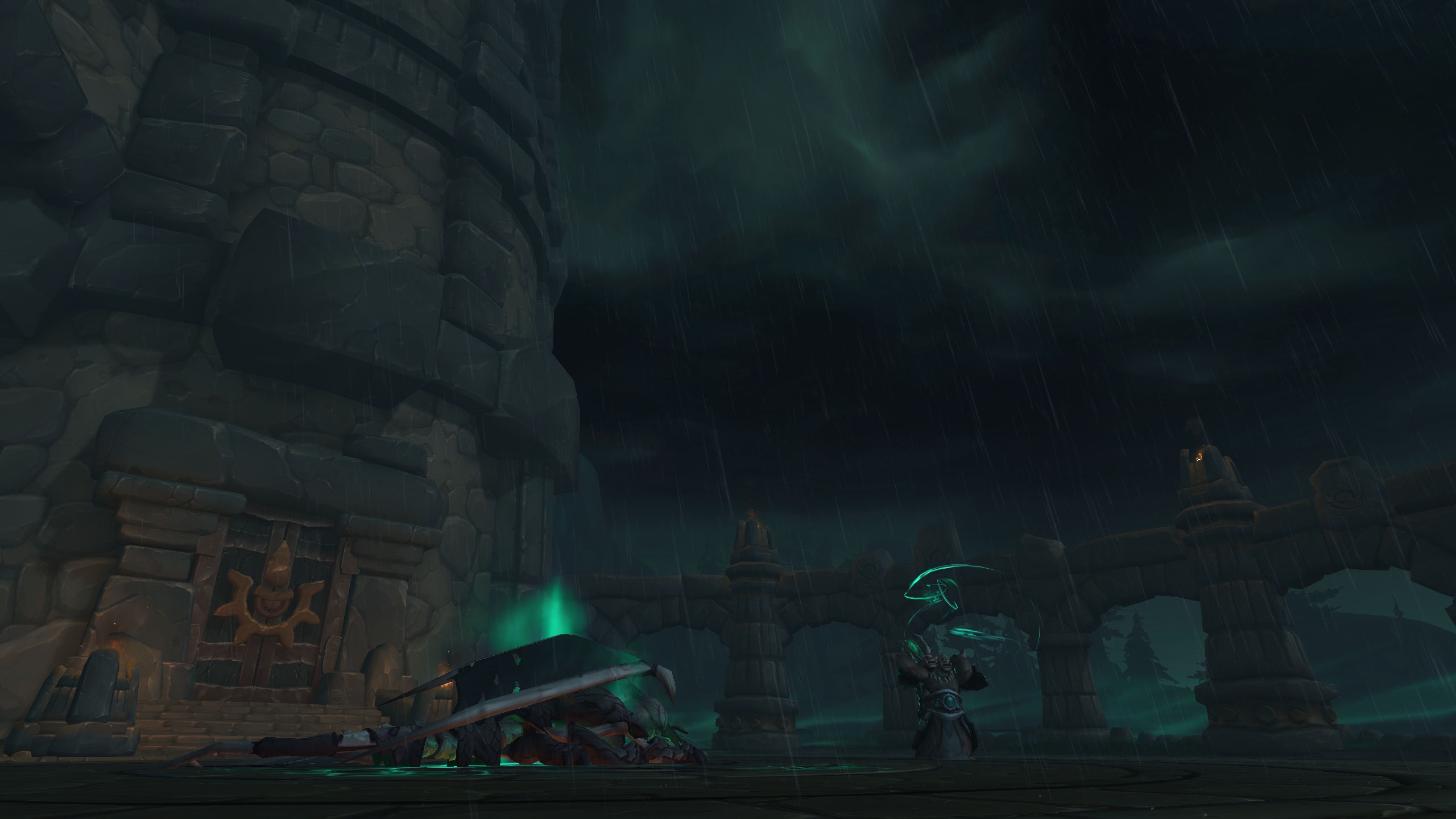
World of Warcraft (WoW) has been a monumental force in shaping modern MMORPGs. You’ve likely seen its influence in the way quests form the backbone of gameplay, transforming grinding into an epic narrative experience. It’s not just about the quests; WoW fostered a sense of community through guilds, raids, and PvP that made social interactions as vital as the individual adventure. Additionally, its economy, with an auction house and crafting systems, set a standard for in-game trade. Raiding and endgame content pushed the boundaries of player coordination and skill. Even WoW’s art and world design have left a lasting imprint, offering a visually appealing, immersive experience. As you explore further, you’ll discover the depths of WoW’s impact on the gaming world.
Key Takeaways
- WoW revolutionized questing, making it a central gameplay element with epic, story-driven missions.
- It fostered strong community dynamics, with social interaction becoming as crucial as gameplay.
- Introduced a sophisticated economy and trade system, including an in-game auction house.
- Pioneered raiding and endgame content, requiring player coordination and offering continuous challenges.
- Set new standards in graphics and world design, making its universe immersive and visually engaging.
The Questing Revolution
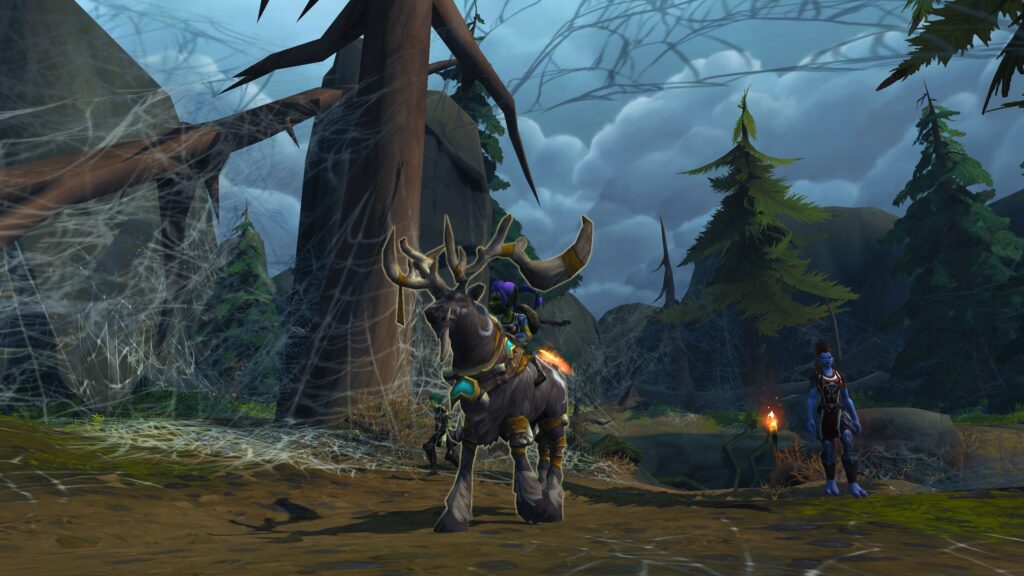
One cannot talk about MMORPGs without acknowledging how World of Warcraft revolutionized questing, making it a core aspect of gameplay that you’ll find in nearly every title that followed. Prior to WoW, questing in multiplayer games was often a secondary thought, overshadowed by grinding mobs or exploring dungeons. However, WoW introduced a questing revolution that transformed it into the backbone of the entire game. Suddenly, you were starting on epic quests that felt like chapters in a Dungeons & Dragons campaign, each task intricately woven into the fabric of the fantasy game world.
This shift didn’t just change how WoW players engaged with the game; it set a new standard for gameplay elements in the genre. Quests were no longer just tasks; they were stories, each contributing to the vast tapestry of the game’s lore. This approach to questing guaranteed that players always had a purpose, a direction that guided them through the game’s content, from the sprawling open world to the depths of the darkest dungeons.
The questing revolution initiated by World of Warcraft has since become a staple in multiplayer games, guaranteeing that the narrative and gameplay are deeply interconnected. This has not only enhanced the gaming experience but also elevated the expectations of players in the fantasy game genre.
Community and Social Dynamics
Nearly all MMORPGs today owe a part of their success to the intricate community and social dynamics first popularized by World of Warcraft. You’ve probably noticed how your favorite games have evolved to include rich, cinematic stories that go beyond the base game content. This isn’t just about adding quests or new lands to explore; it’s about creating a world where players feel connected not just to the game but to each other. The list of games adopting this model grows each year, integrating the actual story with a community experience that keeps players coming back.
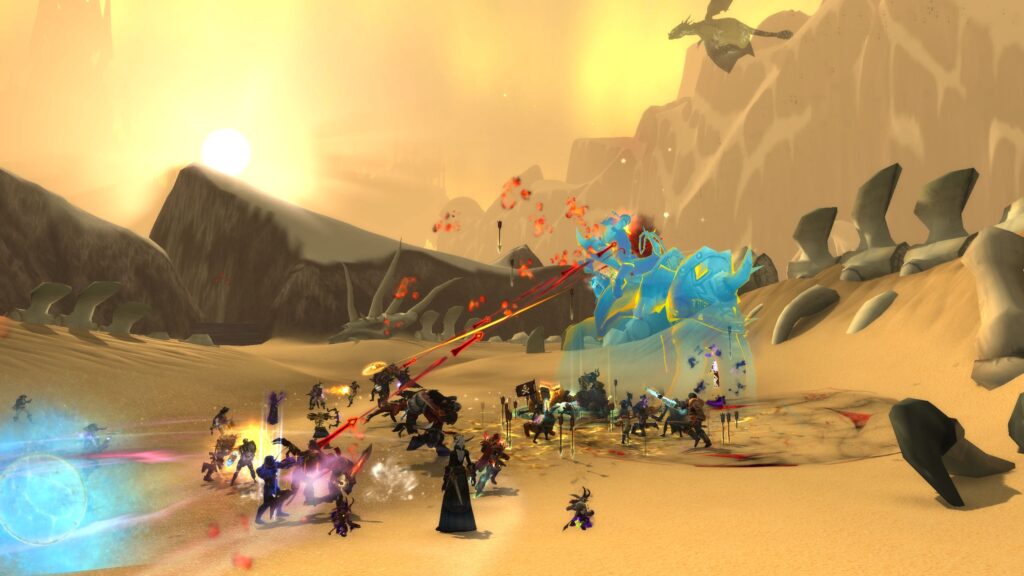
World of Warcraft mastered the art of building a game around its community, making the social interaction as vital as the game content itself. Guilds, raids, and even the competitive aspects like PvP arenas fostered a sense of camaraderie and rivalry that few games had achieved before. These elements combined to make the game’s story feel more alive, more relevant. Players weren’t just observers of the cinematic story; they were part of it, influencing the game world and each other in profound ways. This blend of storytelling and community interaction set a standard that has become a staple in the genre, influencing how games are developed and played even today.
Economy and Trade Systems
How has World of Warcraft’s innovative economy and trade systems reshaped the landscape of MMORPGs, influencing both gameplay and player interaction? You’ve likely noticed that the way you earn, spend, and trade resources in these games has evolved, and much of that change can be traced back to WoW’s pioneering systems. These systems not only affect how players interact with the game world but also with each other, fostering a vibrant community centered around trade and economy.
- Auction House Mechanism: WoW introduced a sophisticated in-game auction house that became a model for other MMORPGs, allowing players to buy and sell goods with ease and transparency.
- Crafting and Gathering Professions: By making crafting and gathering a central part of its economy, WoW encouraged players to specialize and trade, creating a dynamic market for materials and crafted items.
- Dynamic Economy: WoW’s economy is affected by player actions and in-game events, leading to fluctuations in supply and demand that mirror real-world economics. This dynamic nature keeps the economy engaging and unpredictable.
These innovations have made the game’s economy and trade systems a cornerstone of the MMORPG genre, influencing countless games that followed.
Raiding and Endgame Content
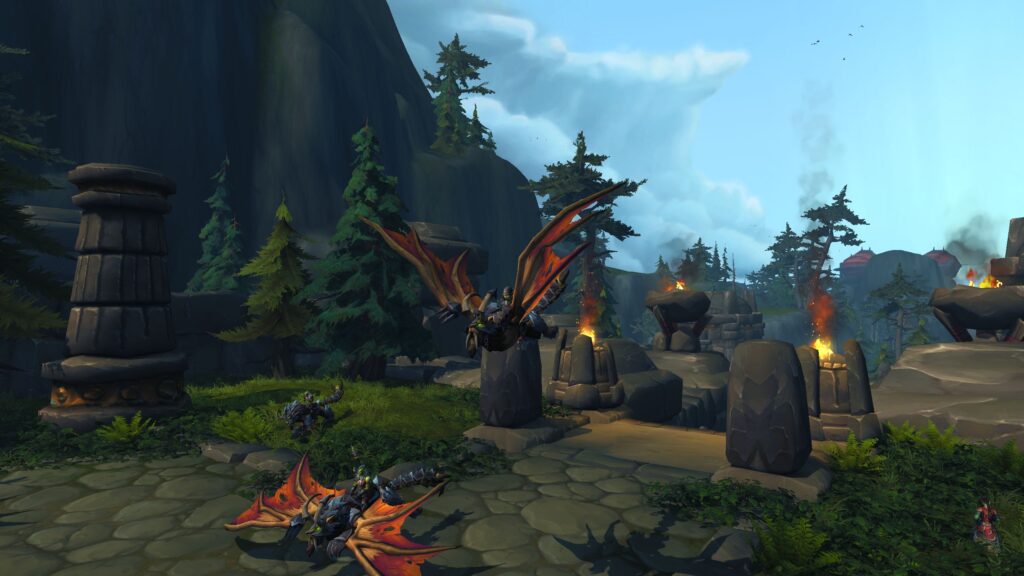
Raiding and endgame content have become the heart of World of Warcraft, setting a high bar for player engagement and challenge in MMORPGs. You’ve probably noticed how these elements are vital for keeping the game interesting long after you’ve hit the level cap. WoW introduced intricate raiding mechanics that require not just individual skill but also meticulous coordination among a group of players. You’re not just fighting tougher enemies; you’re solving puzzles under pressure, adapting to dynamic environments, and executing strategies with precision.
If you’re diving into WoW’s endgame, you’re entering a world where teamwork isn’t just encouraged; it’s essential. You’ll learn quickly that communication is key, whether you’re deciding on loot distribution or synchronizing movements to avoid raid-wide damage. It’s this complexity and the need for collaboration that have made raiding a standout feature in WoW, influencing countless other MMORPGs to adopt similar approaches.
Moreover, WoW continuously evolves its endgame content, ensuring that even veterans always have something new to tackle. Whether you’re aiming for the latest raid boss or completing high-level dungeons, there’s a sense of achievement and community that’s hard to find elsewhere. You’re not just playing a game; you’re part of an evolving story that you help shape with every raid.
Graphics and World Design
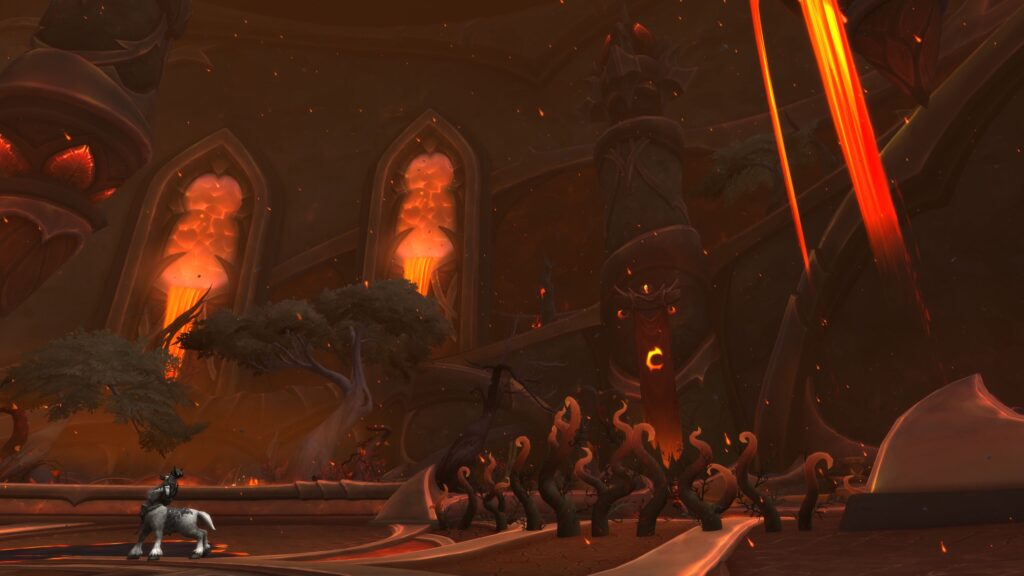
One can’t overlook the role that World of Warcraft’s graphics and world design have played in immersing players into its vast, fantasy universe. The game’s approach to visual storytelling and atmospheric design has set a precedent for how MMORPGs can create deeply engaging worlds that players want to return to, time and time again. You’ve likely noticed how the game’s art style, while not hyper-realistic, offers a timeless quality that keeps it visually appealing even as technology advances.
Here are a few key aspects where WoW’s graphics and world design stand out:
- Artistic Consistency: The game maintains a unique artistic style that’s recognizable and has remained consistent throughout its expansions, making its universe feel cohesive.
- Environmental Storytelling: Every zone in WoW has its own story, told through its landscape, architecture, and ambient details, enriching the player’s experience.
- Dynamic World Events: The introduction of dynamic weather and world events adds a layer of immersion, making Azeroth feel like a living, breathing world.
Frequently Asked Questions
How Has the Player-Versus-Player (Pvp) Aspect in World of Warcraft Influenced Competitive Structures in Other Mmorpgs?
You’ve noticed PvP in WoW’s set a standard, right? Other MMORPGs now mimic its competitive arenas and ranking systems, ensuring players find a similar thrill and challenge in their own virtual battlegrounds.
What Role Did World of Warcraft Play in the Evolution of MMORPG Storytelling and Narrative Design?
You’ve seen stories unfold in games, but WoW turned narrative design into an art form, weaving tales that pulled players deeper into its world. It’s set the bar for storytelling in MMORPGs ever since.
How Did World of Warcraft’s Approach to Character Customization and Progression Impact Player Identity and Diversity in Subsequent Mmorpgs?
You’ve seen how character customization and progression in MMORPGs allow for unique identities and diversity. It’s all about making your mark and standing out in expansive digital worlds, crafting a distinct persona that’s truly yours.
In What Ways Did World of Warcraft’s Introduction and Management of In-Game Events and Seasonal Activities Set Precedents for Dynamic Content in the MMORPG Genre?
Imagine stepping into a living, breathing world where seasons change and festivities abound. That’s what WoW’s dynamic events did for MMORPGs, setting the stage for a genre where worlds evolve just like yours does.
How Has World of Warcraft’s Use of Expansions and Content Updates Influenced the Lifespan and Community Retention Strategies of Other Mmorpgs?
You’ve seen how expansions and content updates keep players hooked. By constantly evolving, other MMORPGs followed suit, employing these strategies to sustain their communities and guarantee their games remain fresh and engaging for years.
Conclusion
In wrapping up, it’s evident that World of Warcraft’s legacy in shaping modern MMORPGs is profound. From revolutionizing questing mechanics to fostering intricate community dynamics, WoW set benchmarks that are now industry standards. Surprisingly, at its peak, WoW boasted over 12 million active subscribers—a testimony to its monumental impact. As you’ve seen, understanding WoW’s contributions offers invaluable insights into the evolution of MMORPGs, highlighting how it’s more than just a game; it’s a cornerstone of digital gaming history.
Home