
World of Warcraft’s loot system operates on complex random number generation. Understanding loot RNG helps manage expectations and reduce frustration. This analysis examines loot mechanics thoroughly.

RNG Fundamentals
Each loot roll is independent event with fixed probability. Previous rolls do not influence future roll outcomes. This independence creates streaks that feel unfair but are mathematically normal.
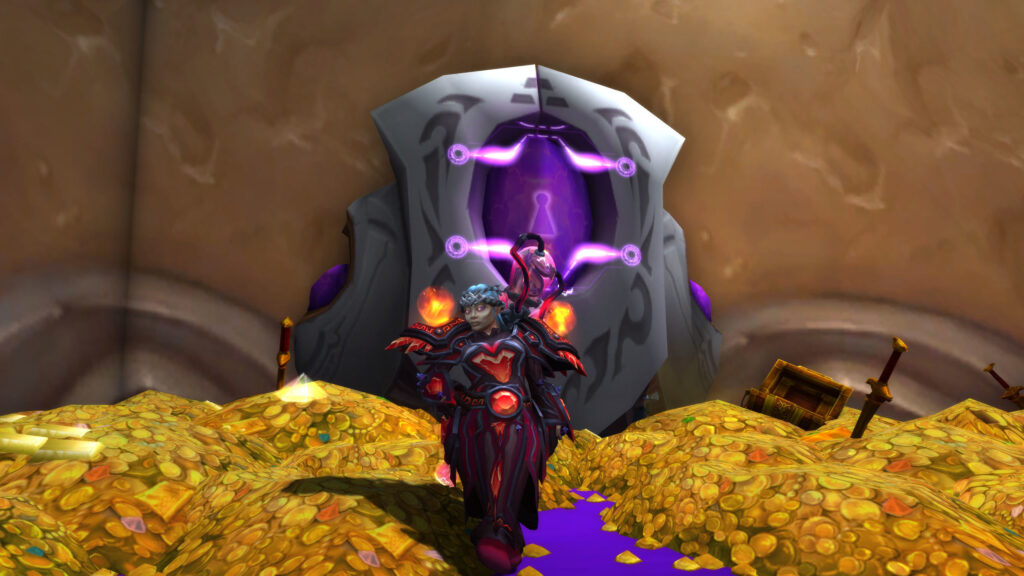
Drop rates vary by item type and content difficulty. Raid mounts typically drop at 1% rate while trash loot may be 20%+. Understanding rates helps set realistic expectations.
Luck Protection
- Bad Luck Protection: Increases drop chance after failures
- Personal Loot: Individual rolls prevent loot theft
- Roll Protection: Prevents extreme unlucky streaks
- Token Systems: Guaranteed purchases after bad luck
- Weekly Lockouts: Limits farming but guarantees chances
- Great Vault: Weekly guaranteed item selection
Drop Rate Analysis
| Item Type | Typical Rate | Attempts for 50% | Attempts for 90% |
|---|---|---|---|
| Raid Mount | 1% | 69 | 230 |
| Legendary | 0.5-2% | 35-139 | 115-460 |
| Tier Token | 15-25% | 3-5 | 9-14 |
| Weapon | 5-10% | 7-14 | 22-45 |
| Armor | 10-20% | 4-7 | 11-22 |
Psychological Impact
Players remember unlucky streaks more than lucky ones. This negativity bias makes RNG feel worse than statistics suggest. Understanding psychology helps manage emotional responses.
Setting realistic expectations prevents disappointment. Assume worst case scenario for attempts needed. Any luck better than worst case feels like victory rather than entitlement.