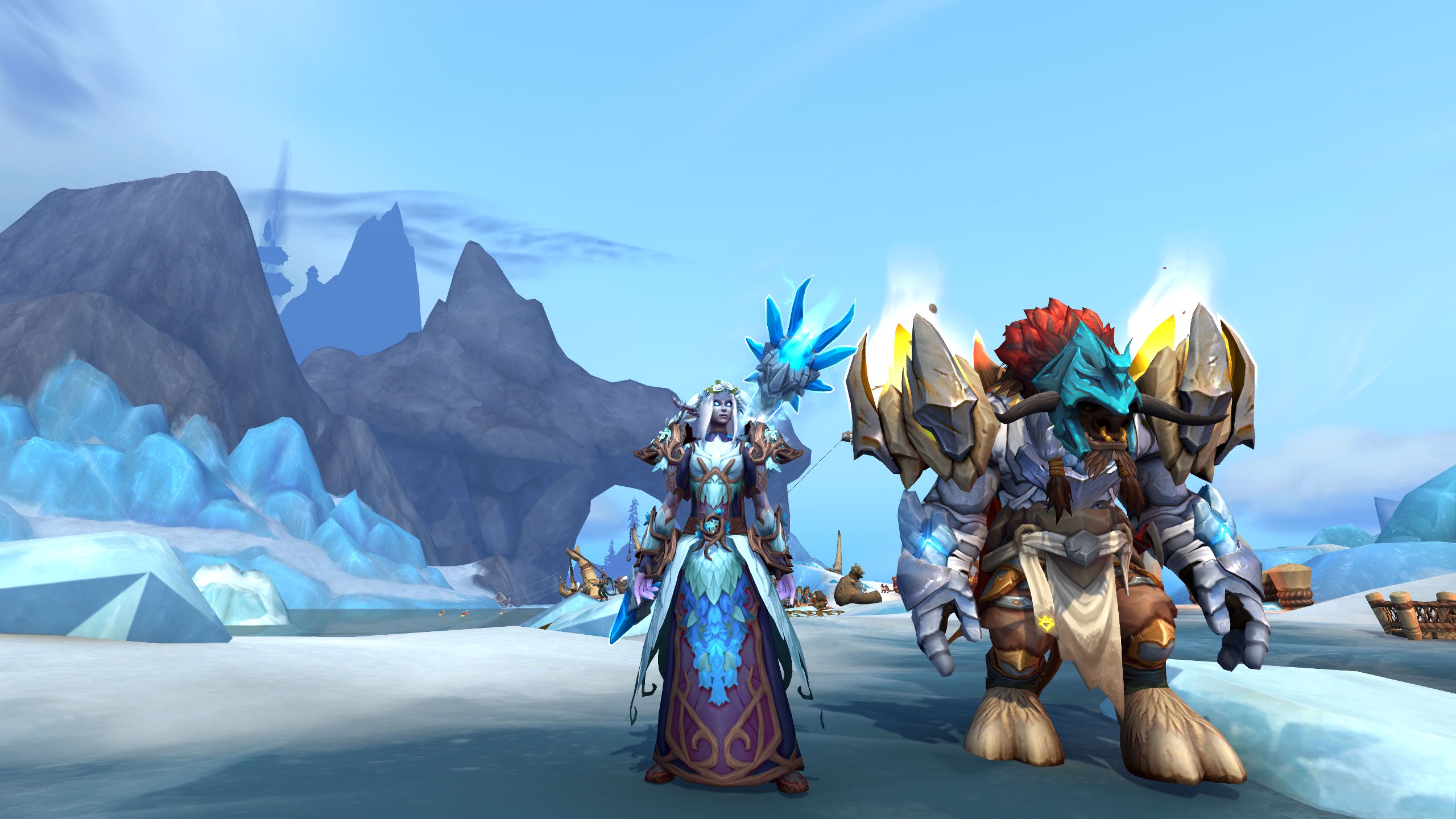
In WoW, guilds massively impact your gameplay, offering you ways to defeat enemies more efficiently. Joining the right guild means access to experienced players, best strategies for tough challenges, and better equipment through collective resource gathering. You’ll navigate through the game smoother, from crafting to raiding, thanks to the shared knowledge within your community. Your guild’s structure, including its leaders and members, plays an essential role in your progression. By understanding guild dynamics and fostering strong member connections, you enhance your in-game experience. As you further explore these social systems, you’ll uncover deeper layers on how communities shape the game, offering you strategic advantages you hadn’t imagined.
Key Takeaways
- Guilds form the social backbone of WoW, fostering community through shared goals and achievements.
- Guild hierarchies and roles, from leaders to members, streamline in-game progression and social dynamics.
- In-game communities enhance player experience through access to resources, advice, and organized events.
- Community engagement activities like raids, PvP, and social gatherings strengthen connections and gameplay enjoyment.
- The success of guilds and communities depends on cohesive member relationships and supportive environments.
The Role of Guilds
Why do guilds play such an important role in World of Warcraft? Well, they’re not just about grouping up for raids or quests. Guilds, whether a friendly guild or a casual guild, are the backbone of the community, fostering connections among fellow players. Through guild achievements, members unite under common goals, enhancing the sense of accomplishment and camaraderie. The guild chat becomes a bustling hub of information, strategy sharing, and social interaction, making the massive world of Azeroth feel a bit more intimate.
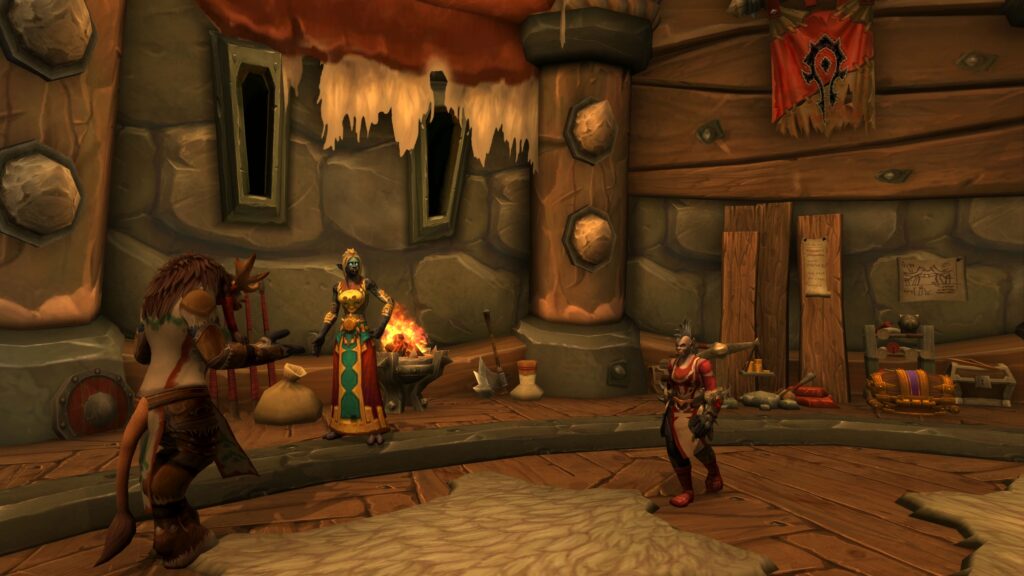
Moreover, the guild bank offers a unique advantage. It’s not just a storage space; it’s a resource pool that supports your adventures and crafting endeavors, making it easier to tackle challenges. Being part of guild communities means you’re never alone. Whether you’re strategizing for a dungeon or needing rare materials, there’s always someone to turn to.
Building In-Game Communities
Building in-game communities in World of Warcraft isn’t just about assembling players; it’s about creating a space where you’re supported, entertained, and connected. When you’re looking to join or build a community, like an alliance guild, consider the application process seriously. This isn’t just about ensuring you’ve got the right gear or skills, but also about finding a group where your play style and personality fit.
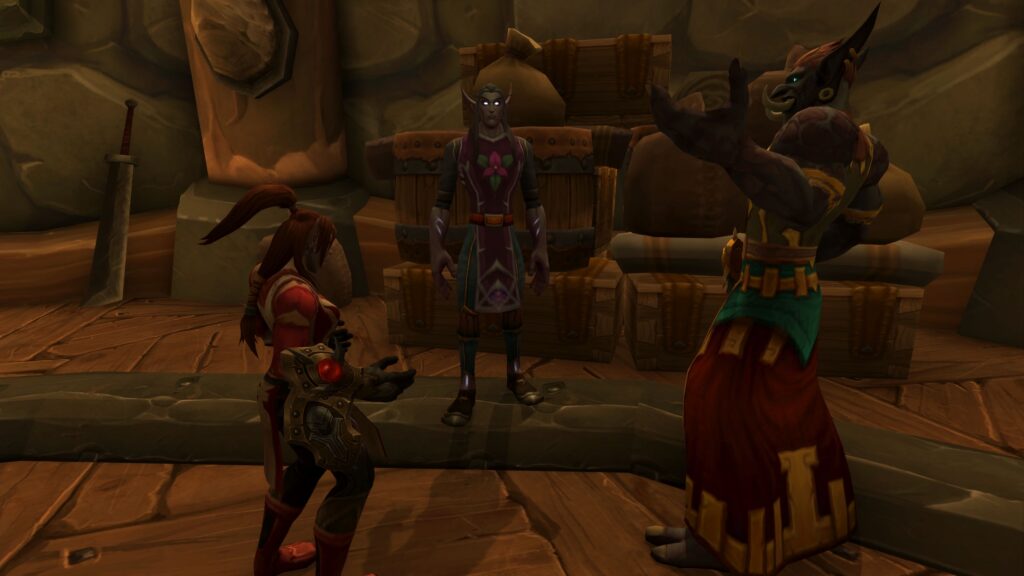
Bad guilds can really sour your experience, so it’s essential to recognize guild group status and dynamics from the outset. Are they more casual, or do they aim for high-end raiding? Knowing this will align your expectations and contribute to a more cohesive community.
Initiating or joining a guild with a clear application process helps weed out players who might not be committed or a good fit. It’s not just about filling a slot; it’s about adding to the guild’s social fabric. Whether you’re leading or just a member, your role in fostering a welcoming environment can’t be overstated. Remember, the strength of an alliance guild or any in-game community lies not just in numbers, but in how well its members connect and support each other.
Social Dynamics and Hierarchies
Understanding the social dynamics and hierarchies within a guild is vital for finding your place and role in World of Warcraft communities. Guilds in WoW are structured much like any organization, with leaders, officers, and members each playing specific roles. Grasping these roles and the hierarchy can greatly impact how you interact within the guild and contribute to its goals.
At the top, you’ve got the guild master, who’s the decision-maker and oversees the guild’s direction. Below them, officers handle day-to-day operations, including organizing events and managing disputes. Recognizing their authority and responsibilities can help you navigate guild life more smoothly.
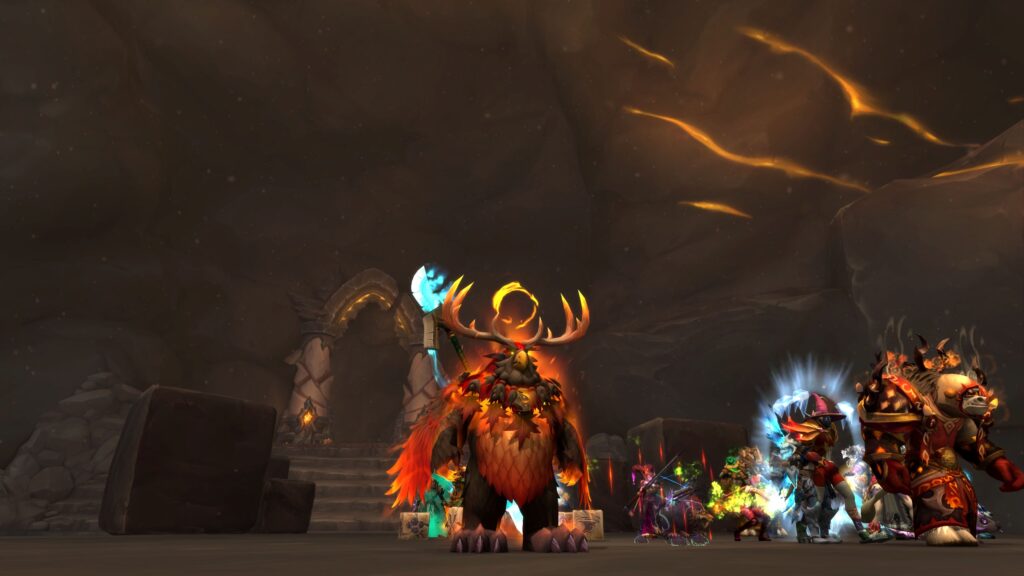
Members are the backbone of the guild, each contributing in various ways, from raiding to crafting. Knowing where you fit into this structure allows you to maximize your contributions. Whether you’re a seasoned raider or a master craftsman, acknowledging and respecting the hierarchy ensures a harmonious environment.
Moreover, social dynamics extend beyond formal roles. Informal leaders often emerge, respected for their knowledge or skill. Engaging with these individuals can offer valuable insights and enhance your gameplay.
Impact on Player Experience
Understanding the social dynamics and hierarchies within a guild sets the stage for a deeper look at how these structures influence your overall experience in World of Warcraft. Being part of a well-organized guild can streamline your progression through the game, as you’ll have access to seasoned players who can share strategies for defeating tough enemies and steering complex raids.
For instance, a guild with a clear hierarchy and dedicated roles guarantees that you’re not going at it alone. You’ll likely have a team of crafters, gatherers, and fighters at your disposal, making resource gathering and equipment upgrades more efficient. This setup allows you to focus on honing your skills in your chosen role, rather than spreading yourself too thin.
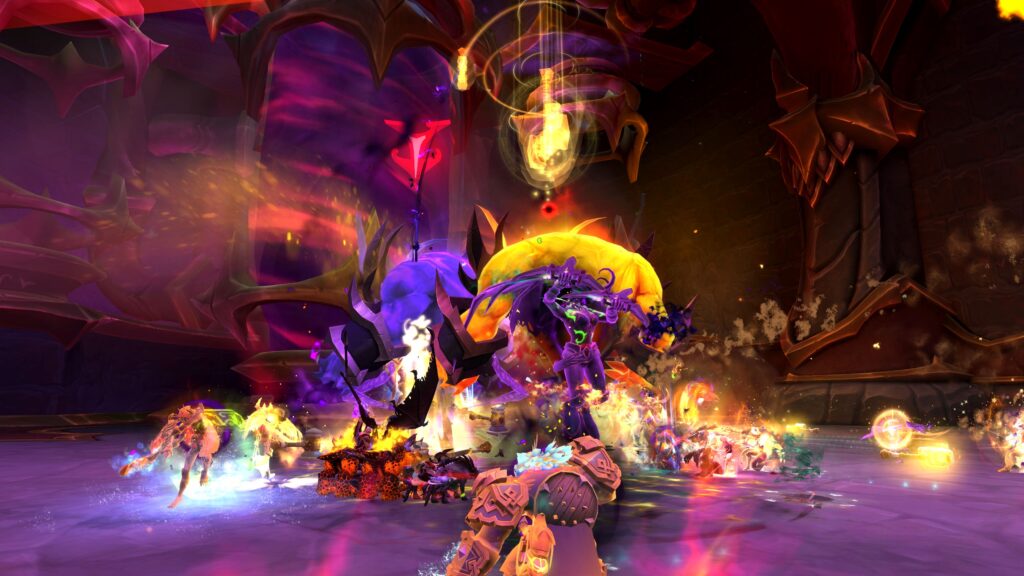
Moreover, the collective knowledge within a guild can be invaluable. Experienced members often provide insights into enemy weaknesses, optimizing your attack strategies. This shared wisdom can be particularly beneficial during high-stakes raids where understanding specific mechanics can mean the difference between victory and defeat.
In essence, your guild’s internal structure directly impacts your gameplay. It affects everything from the pace at which you level up to your success in battles. So, choosing the right community isn’t just about socializing; it’s about strategically enhancing your play.
Events and Community Engagement
Guilds often host a variety of events, engaging you and your fellow members in activities that strengthen your sense of community. These events range from in-game raids to casual meetups, each with its own flavor and appeal. They’re not just about having fun; they’re vital for building relationships and enhancing your overall experience in World of Warcraft (WoW). To give you a clearer idea, here’s a table outlining some common events:
| Event Type | Purpose | Example |
|---|---|---|
| Raids | Team-based PvE challenges | Defeating bosses in Ulduar |
| PvP Tournaments | Competitive player vs. player | Arena battles |
| Scavenger Hunts | Teamwork and exploration | Finding items across Azeroth |
| Lore Nights | Educational and immersive | Discussing WoW’s history |
| Social Gatherings | Bonding and relaxation | Guild meetups in capital cities |
Each of these events requires different strategies and preparations. For raids, you’ll need to understand boss mechanics and perfect your role within the team. PvP tournaments demand mastery of your character’s abilities and knowledge of your opponents. Scavenger hunts and lore nights, while less intense, still require a keen understanding of WoW’s world. Social gatherings, although casual, are great opportunities to strengthen your guild’s camaraderie. Engaging in these activities not only enriches your gaming experience but also solidifies your place within the community.
Frequently Asked Questions
How Do Wow Guilds and Community Activities Affect Players’ Mental Health and Well-Being Outside the Game?
You’re wondering how WoW guilds and community activities impact your mental health and well-being outside the game. They can offer support, relieve stress, and enhance social skills, leading to a positive effect on your life.
What Strategies Do Guild Leaders Use to Manage Conflicts and Maintain a Positive Environment in Highly Competitive Settings?
Imagine you’re leading a top raiding guild. To manage conflicts and maintain positivity, you’d likely enforce clear communication rules, schedule regular team-building activities, and make sure everyone’s voice is heard during strategy discussions. It’s all about balance.
How Has the Evolution of Social Media and External Communication Tools Influenced the Cohesion and Longevity of Wow Guilds and Communities?
You’ve seen how social media and communication tools have transformed WoW guilds, strengthening bonds beyond the game. These platforms facilitate deeper connections, making guilds more cohesive and enduring through shared experiences and communication.
In What Ways Do Wow Guilds Accommodate Players With Disabilities or Those Needing Special Considerations for Participation?
You’re looking at how WoW guilds help players with disabilities or special needs. They often use adaptive technologies, offer flexible roles, and foster inclusive communities to make certain everyone can fully participate and enjoy the game.
How Do Guilds and Communities Navigate the Balance Between In-Game Achievements and the Risk of Burnout Among Their Members?
Guilds and communities often face a tough balance, ensuring 75% of their members achieve their goals without burning out. They prioritize communication, set realistic goals, and encourage breaks to maintain a healthy gaming lifestyle.
Conclusion
In the vast universe of World of Warcraft, guilds and communities aren’t just part of the game; they’re its lifeblood. Surprisingly, over 40% of players say their guild mates have helped them through tough real-life issues, highlighting the profound impact these virtual bonds can have. By diving into this social system, you’re not just enhancing your gameplay with strategic advantages and shared victories; you’re stepping into a world where every connection can turn into a meaningful friendship. Remember, in WoW, together, we’re stronger.
Join the WoW Community! Explore my blog for comprehensive guides, lore deep dives, and everything you need to become a WoW legend.